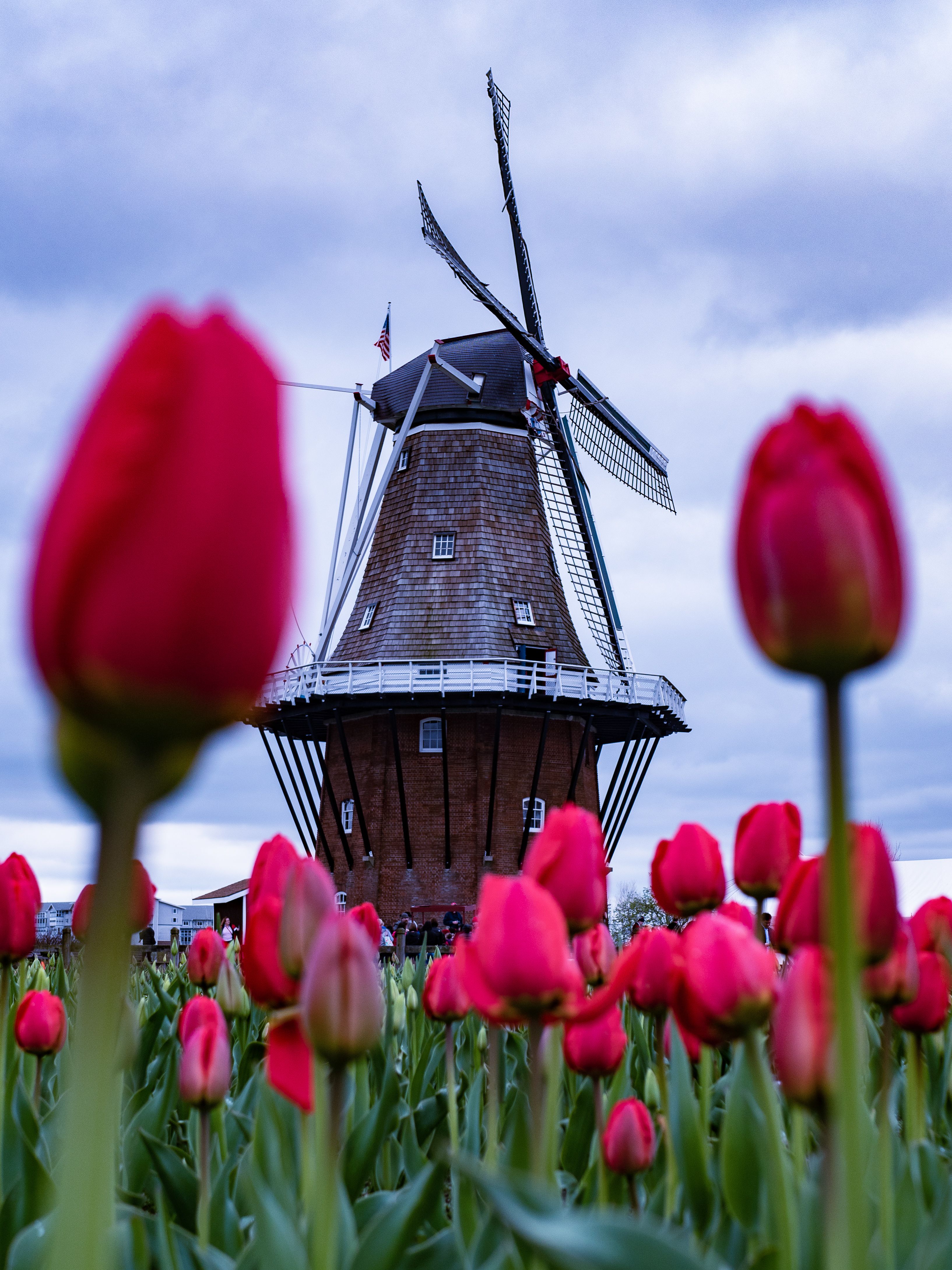
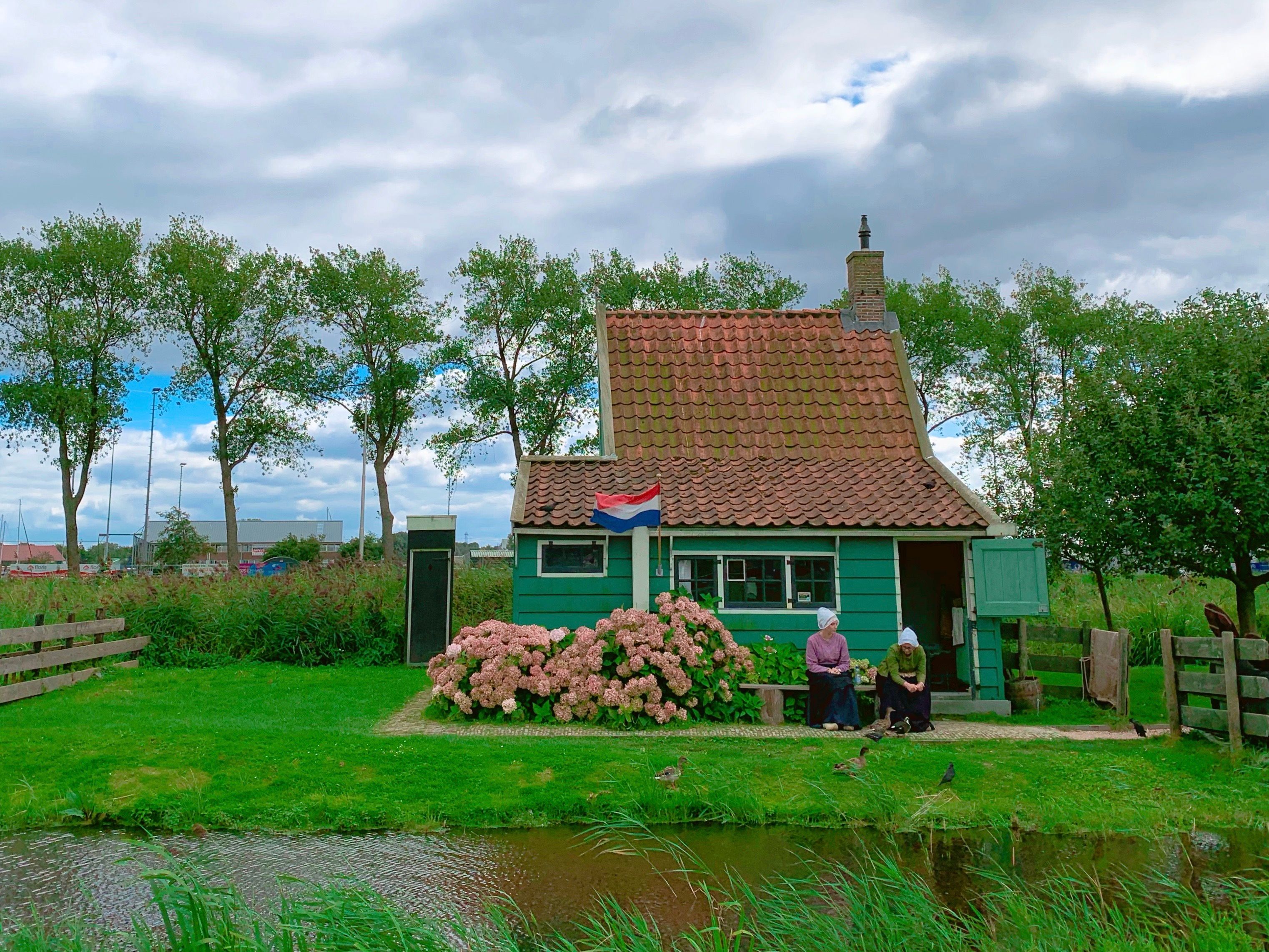
Legend has it there is a small province tucked in the corner of Europe, an ancient society where once a year they come and dance among tulips in fields of green. Turns out that this place actually exists, and it's called the Netherlands, and it's not ancient, it's only a little over 400 years old. But that last part about the tulips, that part is real.
However, our story doesn’t take place in the lovely Netherlands, but in the humble state of Michigan USA. Now I can hear some readers say, “Michigan? What does that have to do with anything?” but I assure you, everything will make sense with time.
The City of Holland Michigan was founded by Dutch Settlers when trying to escape from religious pressures in the homeland. Landing in good 'ol Michigan in 1847 according to the City of Holland, MI website. After various other tribulations and obstacles, modern day Holland was born. With that, a new celebration of life and nature for all was born.
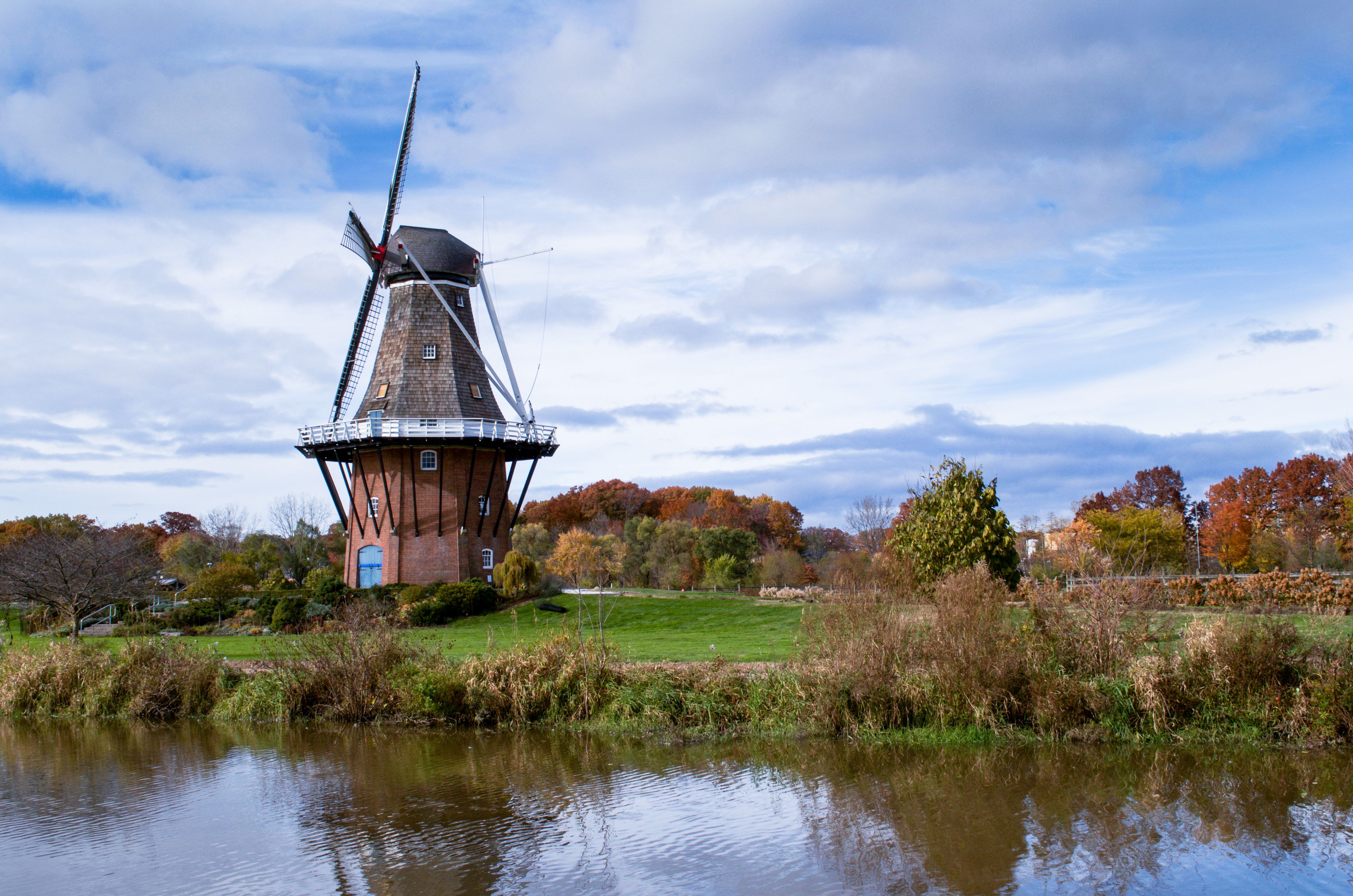
Every year May 1st through May 10th the City Of Holland, Michigan becomes a host for a wonderful celebration of Dutch American culture, as they engage in song, food, and most importantly, dance. In this celebration everyone that chooses to participate helps share the joy of the tulips, by planting more vibrant flora, supporting local vendors, and attending the many parades that float around the city streets.
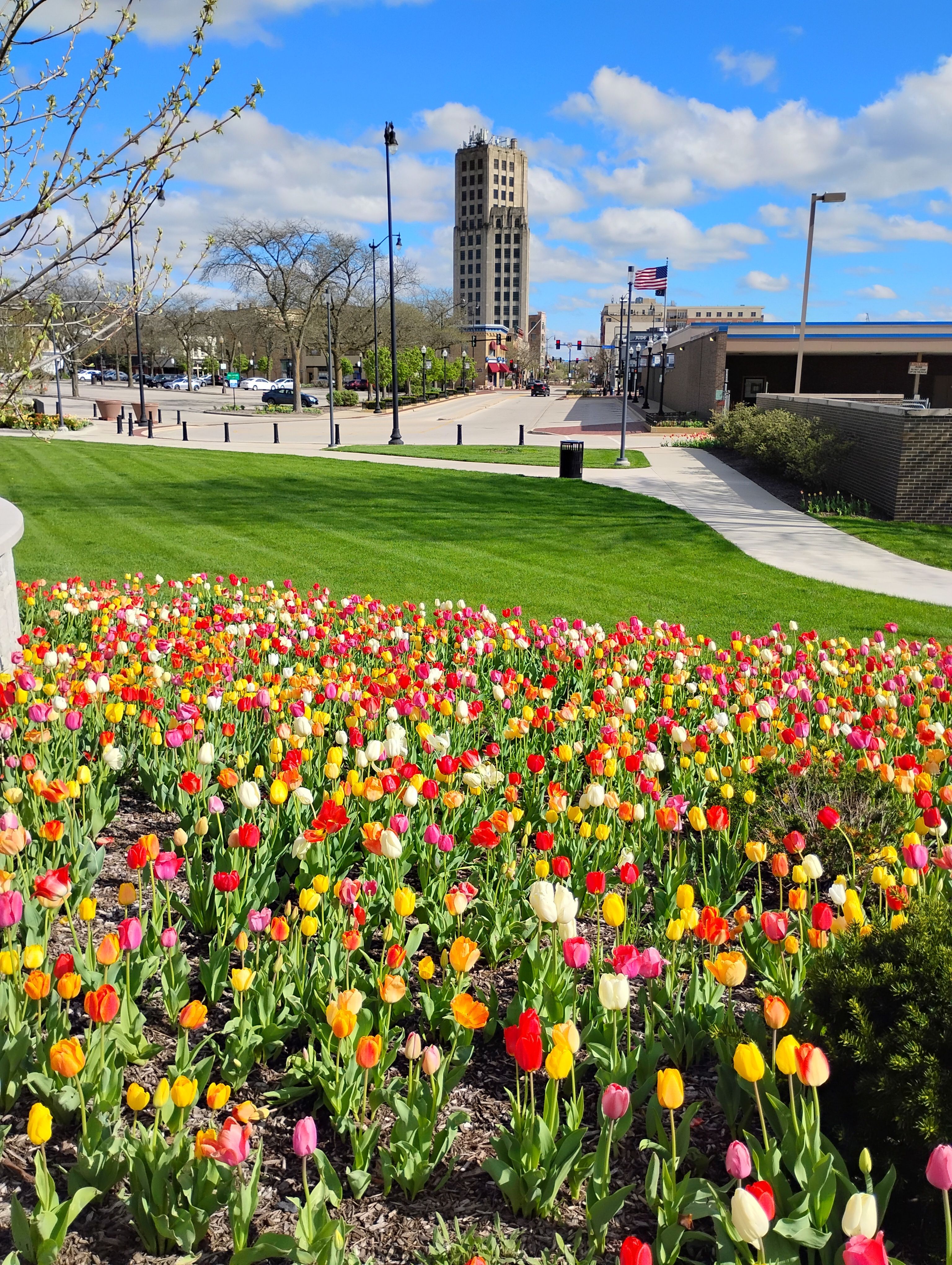
History of the Tulips:
Tulip time was initially prototyped at a women's literacy club in 1927. The wonderful lady that dreamt it up was a school teacher called Ms. Linda Rogers. She was an early advocate for sustainability in Holland,
and wanted to plant more flora in the city. She had a wild idea of people planting tulips in every yard, as the tulips themselves represented the Dutch heritage of the city and everyone who helped build it.
Surprisingly, or unsurprisingly depending on how you look at it. The government of Holland adored this idea, only taking a year to make their decision of buying one hundred thousand Tulip bulbs, and began to sell it out to the citizens of Holland for 1 cent per bulb, thus putting the plan for “Tulip day” into action.
The bulbs were planted and meditated in the ground for 1 year, before sprouting up from the ground and saturating the city of Holland in joyous color, tuning the people of the town into the soft and subtle harmony of the community. And with that harmony, people from all around the county came to look at the beautiful colors. The immediate success of tulip time gave good reason to make this an annual event, increasing the event’s reputation tenfold.
By the 1930s the first official Tulip Time office was opened. But with the reputation of the event a local PE teacher decided to teach some kids how to do traditional Dutch dances for the festival. Creating the first instance of Klompen Dancers. Klompen dancers now have over 1,400 members and 675 alumni carrying forward the Dutch culture of Holland, despite being quite far from home.
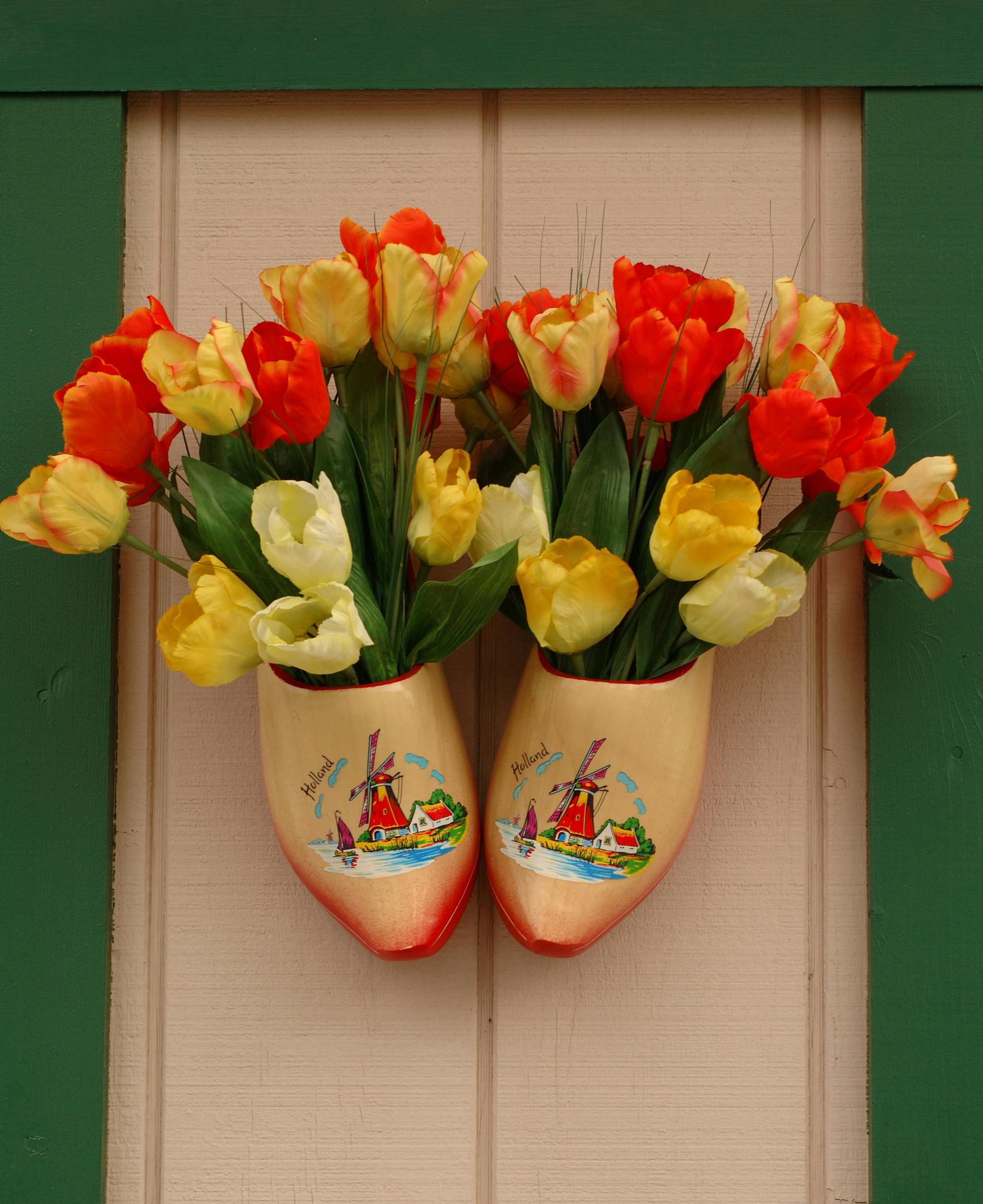
The Festival itself is a wonderful homage to Dutch culture, and a great example of how people can carry their culture with them even when immigrating to other countries. Not to mention the beautiful display of flowers. But still, we must not forget about the actual festival in question after all.
The Festival in Question:
One main event of the festival along with food vendors and shops, they also have marching bands that play their music throughout the streets, followed by wonderfully colored floats and the premonition Klompen dancers. The Klompen dancers are dancers that wear shoes made of wood and do traditional performances for the public. One example of this type of dancing can be found in a Tulip Time video from 2016, where dancers in the street listen to soothingly put together melodies form a live band as they prance around the street in circles with partners or in groups. Turning and twirling while the clacks of the klompens’ hitting the floor continue their mark in history.
The performers also wear colorful dresses that mimic the vibrance of the tulips they are celebrating, also adoring a cloth bonnet atop their garb. Giving them a sort of professionalism you would see in someone completely dedicated to their culture out of sheer love.
According to the 2026 Website for Tulip Time The People Of Holland also use this as an opportunity to enjoy the natural beauty of the city, offering tour events, outside yoga, museums, even public shows, and
showcases. And the best part about it all? Tulip time is completely free. Other than travel costs, of course, everything other than the food and souvenirs is completely free for anyone to really go to.
So if you are not really sure about what you want to do between May 1st-May 10th then I would say consider it.

 Continue with Google