
For those of you out there looking for a way to lose your inhibitions, express yourself, and simply learn something new and exciting, Latin dance is the perfect solution. It’s sleek, it’s energetic, it’s empowering, it’s sexy, and it’s a whole lot of fun in the process.
When looking to learn a new skill however, one of the toughest decisions is deciding which to go with. Latin dance for example, is a very broad term as there’s a wide range of different dances to choose from, with each one offering its own potential benefits and drawbacks.
For beginners just starting out, it’s important to walk before you can run. That’s why finding a beginner-friendly dance is the way forwards. Without question, two very of the most beginner friendly Latin dances ever discovered are the Salsa, and Bachata. Known for their vibrant, rhythmic, and sexy motions, coupled with fast-paced energy, both offer a wide range of benefits, with very few drawbacks.
So, Salsa dancing vs Bachata, which should you learn first? Here’s a rough guide to help you along.
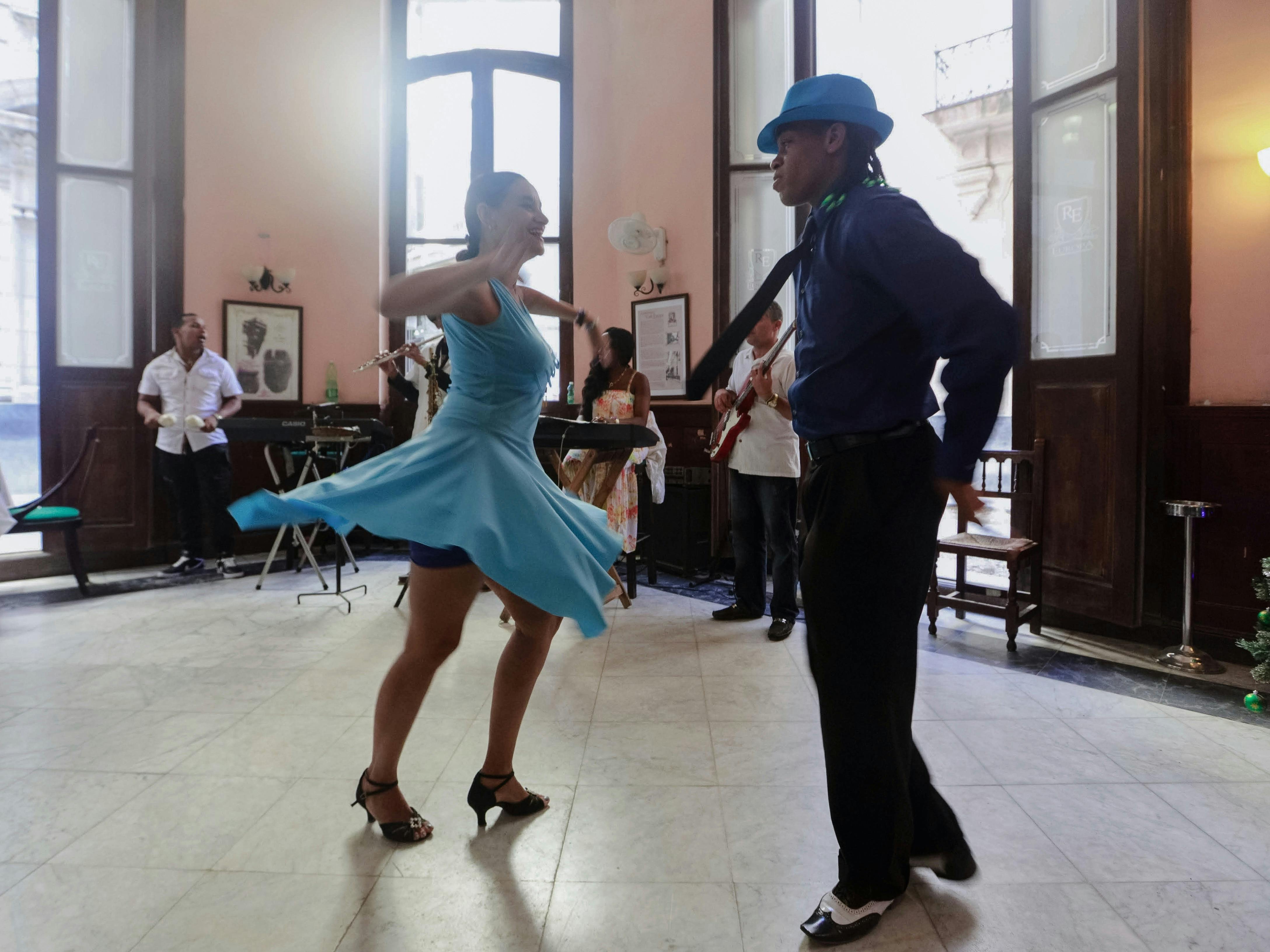
Salsa
Salsa dancing, sometimes simply referred to as ‘The Salsa’ is one of the most popular Latin dances on the planet. It’s a dance universally revered and understood, though where and how it originated remains shrouded in mystery.
Generally speaking, experts believe that Salsa originated around the early 20th century, as a combination of Caribbean and Spanish social dances and melodies. A vibrant, rhythmic, methodical, sexy dance, the Salsa offers up the perfect balance of Afro-Carribbean, South American, and European dance.
It wasn’t until around the 1960s and 70s however, that Salsa really came to prominence in and around New York, USA. This was thanks largely to the legendary Palladium Ballroom venue. Known as a melting pot of different cultures and heritages, it provided the perfect venue for South American and Afro-Caribbean immigrants to socialize and have fun. Here, different cultures blended different dance styles with American dance and jazz music.
As the dance became more popular, it spread throughout the United States, and eventually, across Europe.
Usually danced in pairs, and known for its fast-paced footwork, its lively partner exchanges, and its rapid tempo, it’s lively, versatile, and physically demanding.
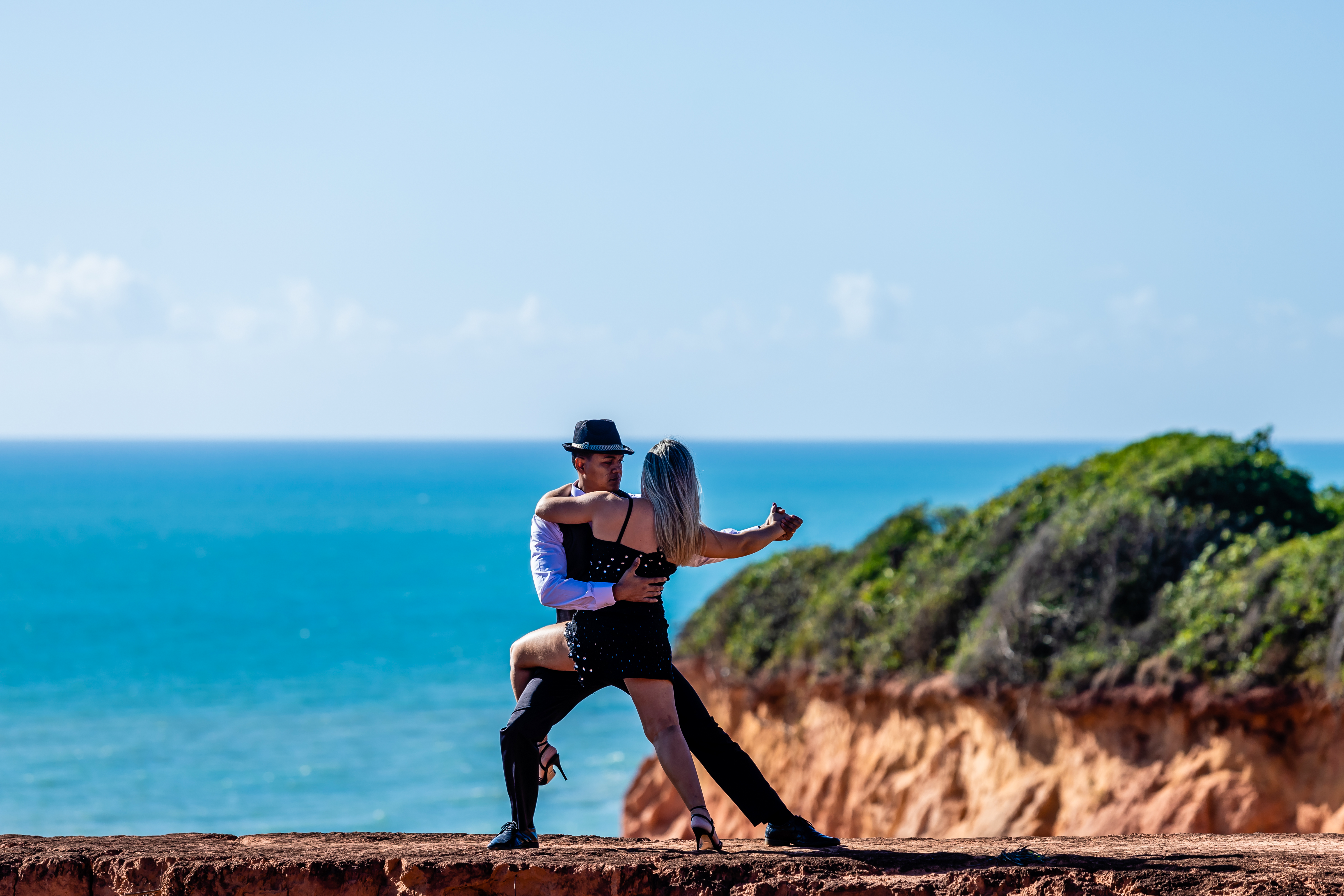
Bachata
On the other side of the coin, we have the Bachata.
The Bachata also originated in the Caribbean, specifically throughout the suburbs of the Dominican Republic. Like so many others, the dance was originally popularized by peasants and lower class citizens who wanted to feel empowered, have fun, and unwind after long and stressful periods.
Bachata was, and is, a much slower alternative to Salsa. It is also considered to be more romantic and intimate, as opposed to sexy and invigorating. It was originally a slow and romantic dance that was performed by peasants in love with one another. Think of the first dance at a modern wedding, and you’re on the right track.
While the Bachata is still a very intimate and sensual dance, it is now slightly more intricate, energetic, and upbeat. The dance is typically performed to a 4-count beat, with a good amount of side-to-side lateral movements and plenty of hip motion included.
Movement and Dance Styles
For beginners just starting out, the Bachata is probably the easiest dance to learn in terms of movement.
As opposed to the Salsa, which is much faster paced, the Bachata features gentle hip motions coupled with a simple side-to-side step. It is also danced much slower, and is more intimate.
Still not sure what style suits you? Explore more by clicking here.
Music
Salsa music is faster-paced and more complex than Bachata, which uses a basic 4/4 time signature, which makes it more energetic and harder to keep up with than Bachata.
Bachata music and rhythm has clearer beats and is more melodic, with a greater emphasis on the guitar, rather than different instruments like the piano and jazz trumpet, which feature more heavily in Salsa. Because of the faster pace, and the multiple instruments, it can be harder to get your timings right with Salsa, rather than Bachata.
Read more: 10 Key Tips to Enhance your Musicality
Physical Fitness
Another driving factor when learning a new dance, or any other new musical discipline for that matter, is how physically demanding the activity actually is.
For those looking for a more faster-paced, physically demanding dance that will burn more calories per session, Salsa is ideal. It’s fast-paced, it’s intense, it’s physically demanding, and by the end of a Salsa class, you’ll be dripping in sweat and will have felt like you’ve come straight from the gym.
On the flipside, if you are looking to slowly and gradually work on your stamina and physical fitness, or if perhaps, you have limited mobility, or aren’t as fit as you’d like to be, Salsa could prove a little much to begin with. If this sounds familiar, Bachata would be the better option as it is slower, and not as demanding. It’s still a wonderful form of exercise and still works on your mobility, stamina, and coordination, it’s just not as intense or physically demanding as Salsa.

Salsa vs Bachata – Which is Best for Beginners?
While both forms of dance are incredibly popular and offer up a wide range of different benefits, for beginners, the Bachata is probably the way to go.
The Bachata is performed at a slower, more intimate pace. There’s less to remember, less footwork, and less going on than Salsa. Most beginners will therefore begin with Bachata, and then perhaps progress up to Salsa at a later date, once they’ve mastered the Bachata.
So, in a nutshell, both dances are fabulous, but Bachata is probably the more beginner-friendly of the two.


 Continue with Google