


A Detailed Look at Tokyo’s Hip Hop Dance Culture and Classes

Tokyo, Japan| Shibuya Crosswalk
Without question, Japan is one of the most beautiful, welcoming, and diverse countries on the face of the earth. Not only is the country so incredibly popular, it’s also steeped in history and is renowned for its cultures and traditions.
Now, when we think of Japan, we think of things such as how amazingly technologically advanced the country is, not to mention its fantastic cuisine and exceptional whisky. It turns out, however, that the nation’s capital also has an extensive hip hop and street dance culture that appears to be gaining popularity by the day.
Hip hop and street dance may very well be associated with places in the USA such as Harlem, the Bronx, and the West Coast, but in the heart of Tokyo, once the sun sets, the technicolor city comes alive, with keen dancers donning their most stylish street clothes and taking to the streets and clubs of Tokyo to engage in friendly, yet competitive street dancing battles.
From baggy sweats and sneakers to graffiti and breakdancing, here’s a look at Tokyo’s hip hop and street dance culture.
Western Influences
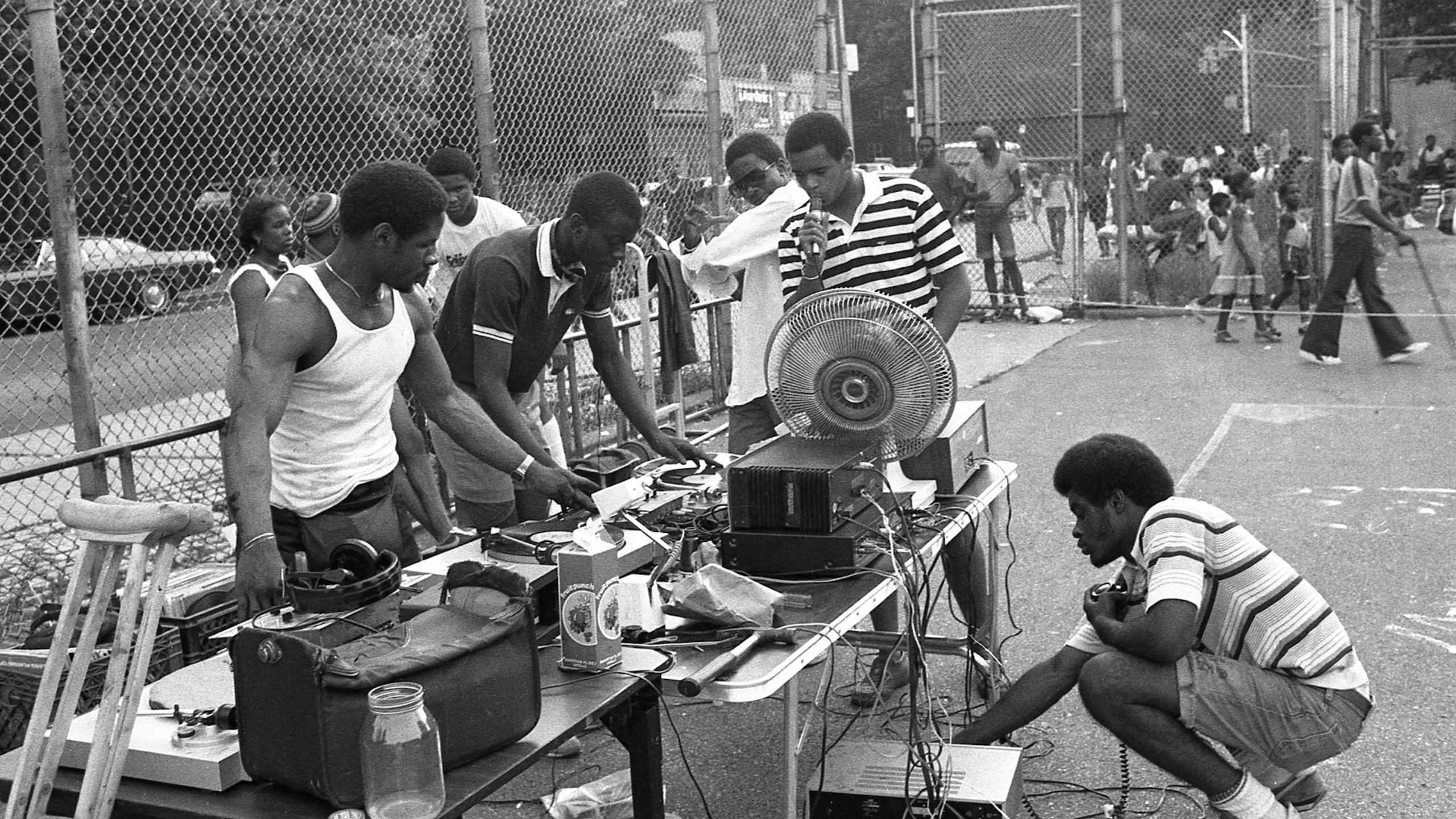
New York, New York| South Bronx
During the 1970s, in impoverished neighborhoods and suburbs of the USA, a new cultural phenomenon was sweeping the nation, particularly amongst minority communities who were still being treated like outcasts in parts of the country. This cultural phenomenon became known as Hip-Hop.
Hip Hop was characterized by its unique styles of street dancing and rap music, coupled with block parties featuring live DJs and MCs. Here, dance became a way for minorities to express themselves and become empowered as they rid themselves of the shackles of society. The medium of which they primarily chose to do this was dance.
Hip Hop was originally popular in New York, in locations such as The Bronx and Harlem. As its popularity spread, it found its way West and proved especially popular along the West Coast. By the 1980s, the States were Hip Hop crazy, and it was only a matter of time until other nations followed suite.
In the early 1980s, western street culture slowly found itself introduced to Japan. American media was really taking off in the country and as American and Western media at the time was obsessed with street dance, Hip Hop, breakdancing, street fashion, and other similar genres, Japanese audiences began to take notice, particularly younger ones.
Japanese teens in the 80s were introduced to street dance and street culture through various movies, TV shows, and magazine articles. Subsequently, b-boying/breakdancing became Japan’s first real taste of hip hop.
By the mid-80s, because of their rebellious nature, hip-hop and street dancing became an integral part of Japan’s youth. Teenagers all over the country began listening to rap music, breakdancing, practicing their graffiti street art, and dressing like Western rappers and b-boys.
The 80s and 90s Boom

Hiroshi Fujiwara, Toshio Nakanishi and DJ Yutaka Performing in the mid 80s
By the mid-80s, Japan’s youth were seemingly obsessed with street dance and hip hop. It was cooler than the underside of the pillow and was a great way for youngsters to express themselves and be true to themselves.
In cities such as Tokyo, street dance really began to take off and Japanese media were quick to pick up on this. This in turn helped it to reach a wider audience, which in turn meant even more teens and young adults got involved. If you were a teen in Tokyo in the 80s, chances are you’d be dressed head to toe in brands such as Adidas, Puma, and Kangol, as these were synonymous fashion brands with Western street dance culture.
As the years progressed, Japanese hip-hop began to take hold. Now, rather than emulating US rappers and hip hop musicians, Japanese hip hop musicians created their own unique take on this genre of music. Without question, one of the most influential names in Japanese hip hop was DJ Krush, who played an essential role in introducing Japan’s youth to street dance and hip hop music done the Japanese way.
It wasn’t long before rappers such as King Giddra, NIPPS, and Scha Dara Parr began rapping in Japanese, highlighting their own struggles just as African American and Latino communities in America had done a little over a decade prior.
Tokyo Street Dance Schools and Studios

En Dance company in Tokyo, Japan
As street dance became more mainstream, many of Tokyo’s dance schools found themselves in very high demand.
Now, along with more conventional forms of dance in the city, Tokyo’s dance schools and classes consisted of younger dancers, keen to learn breakdancing and similar styles of street dance. Today, that demand is greater than ever.
With dedicated and experienced teachers and instructors all across the city, Tokyo is home to some of the most diverse street dance venues in the world. In fact, due to its popularity, many of the instructors will not only teach in Japanese, but also in English whenever possible as well. This is another reason why they’re considered to be so inclusive.
If you’re ever fortunate enough to be in Tokyo and wish to work on your hip hop and street dance skills, here are 3 popular studios definitely worth checking out.
Broadway Dance Center Tokyo (BDC)
Image from BDC Home page
Widely regarded as the largest dance studio in all of Tokyo, the city’s Broadway Dance Center features five spacious, fully equipped dance studios, as well as pristine changing facilities and amenities.
The studio specializes in a selection of different styles of dance, including jazz, ballet, salsa, hip hop, contemporary, ballet, and many others. They host more than 150 classes per week, with classes taking place every single day.
World of Dance Studios Tokyo (WOD)

World Of Dance 2024 Junior team, 3rd place at World of dance summit
For those who aspire to learn street dance in Japan, and perform in other countries all over the globe, Tokyo’s World of Dance Studios is the perfect destination.
With 3 studios, along with pristine shower rooms and facilities, they host a series of classes for dancers of all levels, abilities, and levels of experience. There are also virtual instructors from overseas and K-Pop kids dance classes.
Whether you’re somewhat experienced with street dance and want to hone your skills, or if you’re a complete beginner starting with no experience, the studios offer something for everyone, and a whole lot more besides.
NOA Dance Academy

NOA Dance acdemy in mid lesson
NOA Dance Academy, Tokyo, is perfect for anybody looking to learn street dance, as well as other popular sub-genres of dance.
The studio, which specializes in K-Pop, also offers a plethora of genres of dance, including hip-hop, street dance, jazz, soul, reggae, breakdancing, and plenty more besides. They even offer virtual online classes where students can learn street dance from the comfort of their own homes.
Written November 30th 2025
Tokyo’s Hip Hop Dance Culture and Classes Quiz
Test your knowledge about tokyo’s hip hop dance culture and classes

 Sign in with Google